

Kilgore may be best known for the oil derricks that rise above its skyline, but the East Texas Oil Museum explains why they are there and how one discovery transformed the entire region.
Located on the Kilgore College campus, the museum tells the story of the East Texas Oil Field through recreated streets, period rooms, historic equipment, photographs, documents, and voices from the people who lived through the boom.
When East Texas Struck Oil
The story changed dramatically in 1930, when the discovery of the East Texas Oil Field brought drillers, investors, workers, speculators, and families rushing into the area.
Small towns expanded almost overnight. Roads filled with trucks and heavy equipment. Wooden derricks crowded the landscape so tightly that parts of Kilgore looked more like an industrial forest than a quiet East Texas community.
The oil field became one of the largest and most productive ever discovered in the United States. It reshaped Kilgore and helped turn Tyler, Longview, and other nearby communities into regional centers for business, transportation, and energy.
Walk Through Boomtown
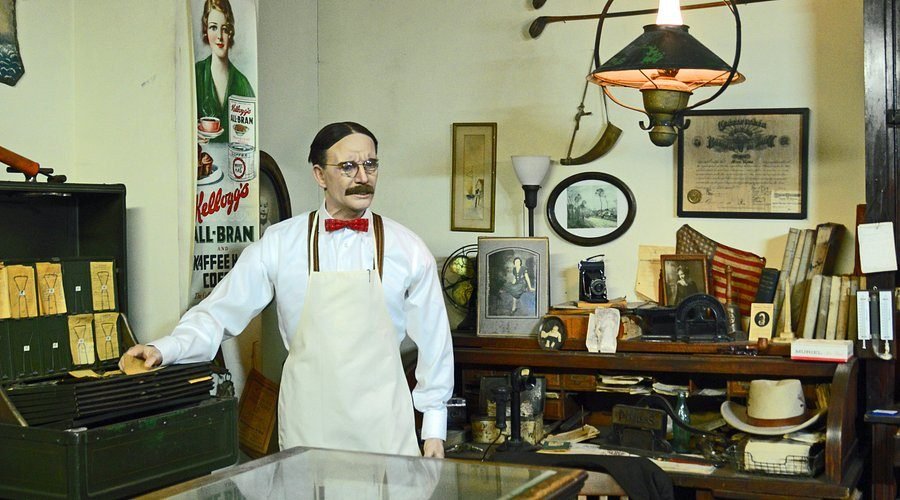
The centerpiece of the East Texas Oil Museum is Boomtown, U.S.A., a full-scale recreation of a 1930s oil town.
Visitors walk past storefronts, offices, work areas, and everyday scenes designed to show what life looked like when oil money and oil workers flooded into East Texas. The effect is more immersive than a traditional room filled with display cases.
Period artifacts and recorded stories explain both the excitement and the disorder of the boom. Fortunes could be made quickly, but the work was dangerous, housing was crowded, and the sudden growth placed enormous pressure on small communities.
More Than Drilling Equipment
The museum pays tribute to the independent producers, wildcatters, laborers, families, and business owners who built their lives around the field.
Exhibits use oral histories and primary-source material to show that the oil boom was not simply a story about machinery. It was a human story about risk, ambition, hard work, migration, and the sudden arrival of modern industry in rural East Texas.
The museum also helps visitors understand why oil derricks remain such an important part of Kilgore's identity. The restored derricks around town are not random decorations. They mark places where wells once operated inside the city itself.
Make It Part of a Kilgore Visit
Allow at least an hour and a half to explore the museum without rushing.
Afterward, drive through downtown Kilgore to see the World's Richest Acre and the illuminated derricks that have become symbols of the city. The museum provides the background that makes those landmarks more meaningful.
Before You Go
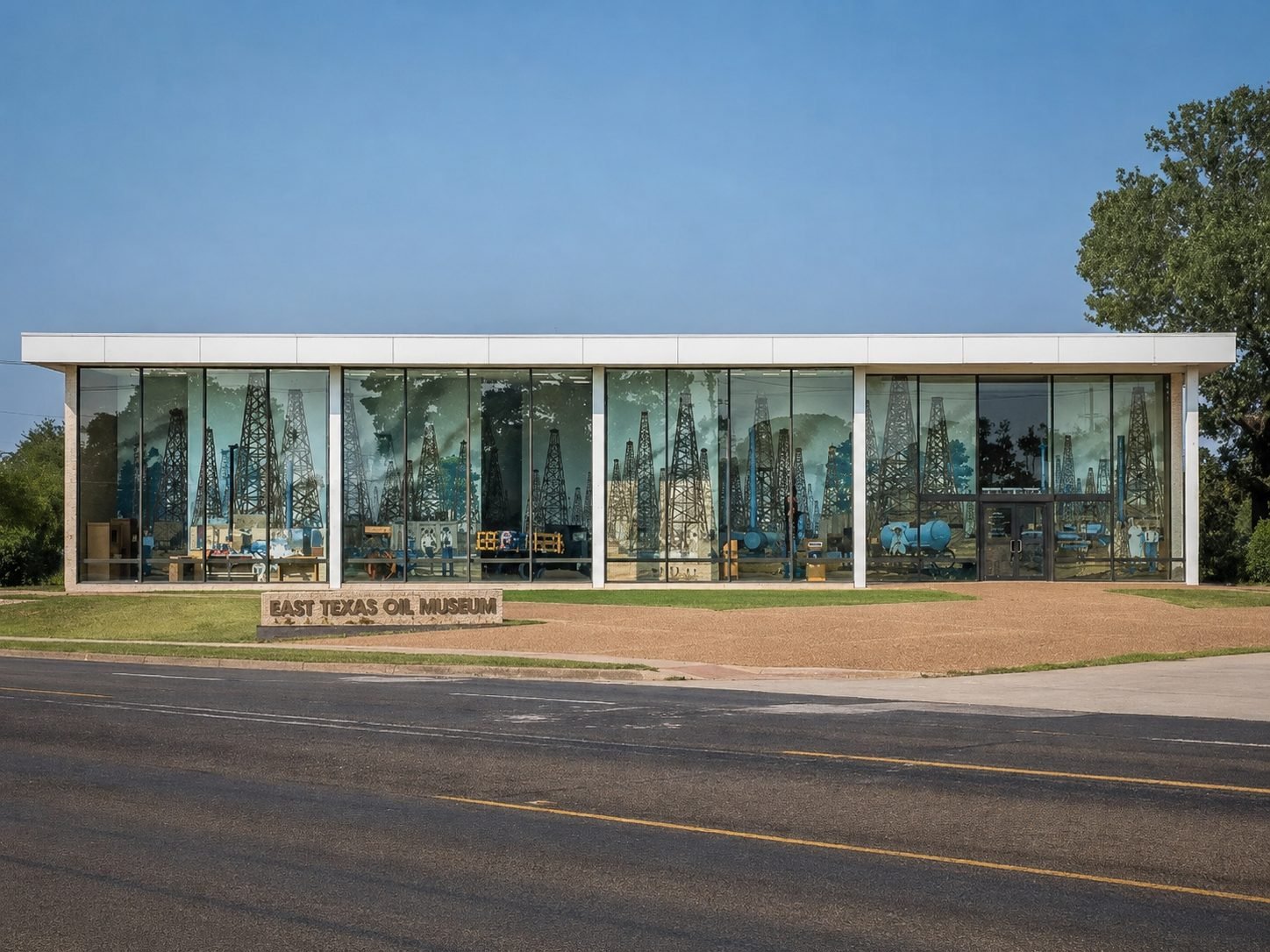
The East Texas Oil Museum is located at 1301 S. Henderson Blvd. on the Kilgore College campus.
The museum is generally open Monday through Saturday, with the final admission before closing. Admission is charged, and discounts may be available for seniors and military visitors. Verify current hours, prices, holiday closures, and special exhibits on the museum's official website before traveling.
Parking is available behind the museum along Ross Avenue, and the building is accessible to visitors with mobility needs.
For anyone interested in East Texas history, the museum is one of the region's essential stops. It turns the familiar story of oil into a place visitors can walk through, hear, and understand.