

Caldwell Zoo is one of those East Texas attractions that can surprise visitors who expect a small city zoo.
The property covers more than 80 landscaped acres and is home to more than 3,000 animals. Its habitats represent wildlife from Africa, the Americas, and other parts of the world, making it possible to spend several hours exploring without seeing the entire zoo at once.
From a Family Project to a Regional Zoo
The zoo grew from the work of David King Caldwell and his wife, who began welcoming children to observe animals at their home in the 1930s.
What started as a small educational collection gradually expanded into a permanent public attraction. Over the decades, the grounds, animal collection, conservation programs, and visitor facilities grew far beyond the original backyard project.
That history helps explain why the zoo still places such a strong emphasis on education. The goal is not simply to display animals, but to help visitors understand the habitats, threats, and conservation work connected to each species.
Explore Animals From Several Continents
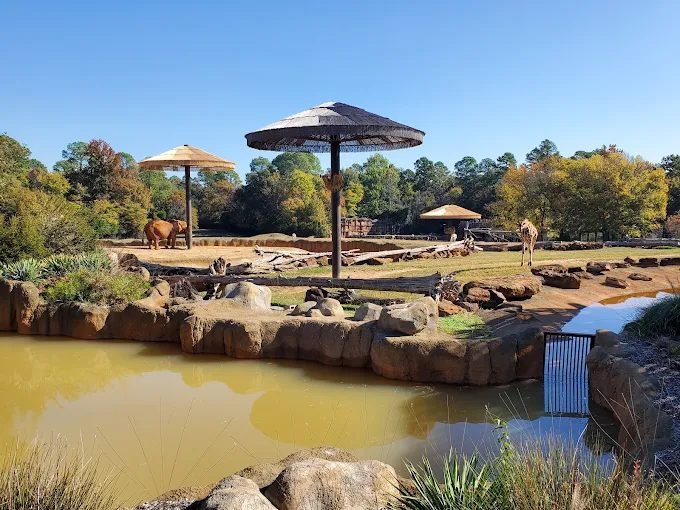
The zoo is divided into large habitat areas rather than a single row of small exhibits.
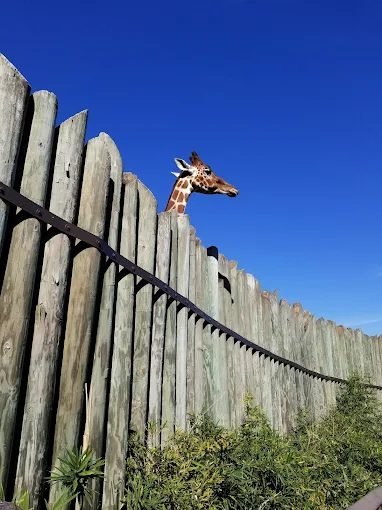
The African section may include giraffes, elephants, lions, zebras, antelope, and other animals arranged around broad savanna-style spaces.
The North American and American Wilderness areas focus on species closer to home, including mountain lions, bobcats, foxes, birds, reptiles, and other animals found across the continent.
A walk-through bird area and additional indoor and outdoor exhibits give visitors opportunities to see smaller species that might be missed in the larger habitats.
Because animals choose when to rest, hide, or move into view, no two visits are exactly alike.
Conservation Close to Home
Caldwell Zoo participates in wildlife conservation and breeding programs for threatened and endangered animals.
Its work with ocelots is especially important to Texas. The small spotted cats once ranged across a much larger area, but the remaining wild Texas population is limited to small sections of South Texas.
The zoo also supports conservation involving the Texas horned lizard, the official state reptile. These local projects connect the animals in the zoo with real efforts to protect species still struggling in the wild.
Plan Enough Time
A rushed one-hour visit will miss much of the property.
Plan for at least two to three hours, with additional time for families moving at a slower pace. The grounds include hills and long walking sections, so comfortable shoes are important.
Food, drinks, restrooms, shaded areas, and gift shops are available, though specific services and operating schedules may change.
Tyler summers can be hot and humid. Arriving near opening time usually means cooler temperatures, more active animals, and lighter crowds.
Before You Go
Caldwell Zoo is located at 2203 W. Martin Luther King Jr. Blvd. in Tyler.
Admission prices, daily hours, animal encounters, construction projects, and special events can change. Check the official website before visiting.
The zoo is large enough that reviewing the map in advance can help families prioritize favorite animals and avoid unnecessary backtracking.
Caldwell Zoo works because it feels larger and more established than many travelers expect from a regional attraction. It offers enough animals and space for a full outing while still feeling closely connected to the East Texas community that helped it grow.